
Out of stock. Everything in our catalog is currently out of stock. Prices are shown for reference only and online ordering is paused.
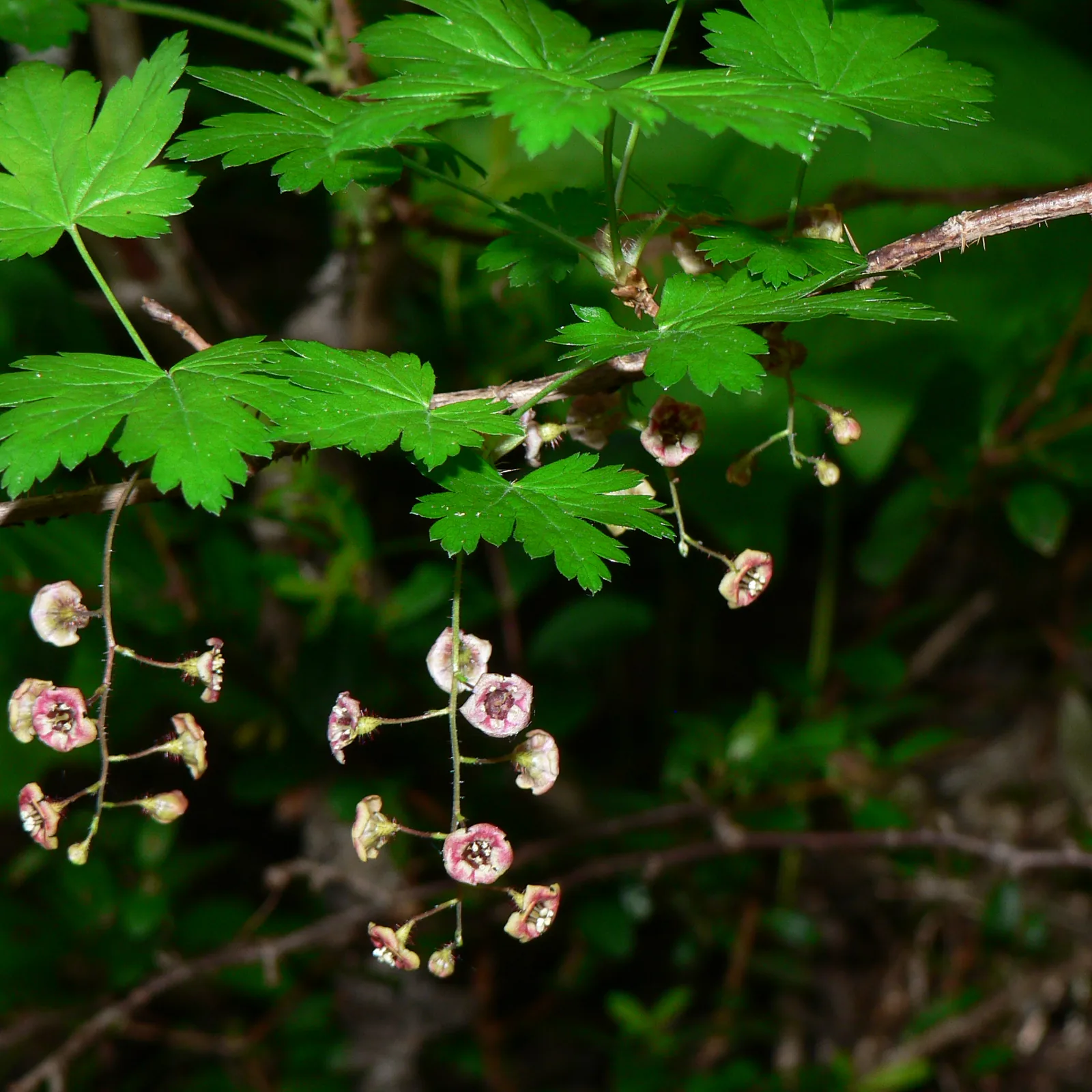
Photo: Walter Siegmund, CC BY 2.5, via Wikimedia Commons

Trees and shrubs
Prickly currant
Ribes lacustre
Prickly currant is a deciduous shrub that reaches about 3 feet at maturity, with a rapid growth rate. Up to about 6 feet tall. In the wild it grows in mountain streamsides, wet meadows, forests and woodlands.
Light
Sun, Part shade, Shade
Hardiness
Zone 1
Mature height
3 ft
| Size | Each | At $10,000+ order | Quantity |
|---|---|---|---|
| 5 gal | $21.50 | $19.35 | Out of stock |
Orders of $10,000.00 or more get an extra 10% off, applied automatically.
$0.00 in cart$10,000.00
Out of stock. Notify me when it is back
Growing guide
- Growth habit
- Deciduous Shrub
- Mature size
- Up to about 6 feet tall.
- Growth rate
- Rapid
- Water needs
- low drought tolerance once established; low tolerance of saturated soil
- Soil moisture
- Moist, Wet
- Light
- Sun, Part Shade, Shade
- Cold hardiness
- To -62°F (about USDA Zone 1)
- Bloom
- Pink, Yellow, Green, Brown · May, Jun
- Grows in
- Mountain streamsides, wet meadows, forests and woodlands.
- Native range
- Alaska and Yukon across Canada east to Newfoundland; south to California and Colorado in the West, and to the Great Lakes and the Appalachians to Virginia in the East.
Wildlife and uses
The berries of this plant feed a wide variety of wildlife species, including Grizzly Bears, Elk, and Mountain Goats.
Attracts: Birds Value to Beneficial Insects Special Value to Native Bees This information was provided by the Pollinator Program at The Xerces Society for Invertebrate Conservation . Find Seed or Plants View propagation protocol from Native Plants Network. National Wetland Indicator Status
Not recommended; carries disease which kills white pine.
Good for: Restoration, Riparian, Hedgerow, Wildlife, Landscape
Sources
Hardiness zone is estimated from the USDA minimum temperature. Uses are suggested from USDA plant traits.